
When to Get a Mole Checked: Changes Worth Noticing
When deciding when to get a mole checked, pay attention to change. A spot that becomes larger, changes colour or shape, starts bleeding or looks unlike your other spots deserves professional attention. You can’t rule out a concern because a spot is small or because it doesn’t hurt.
Describe what you noticed and when
Tell the clinic where the spot is, when you first saw it and what seems different now. If you have an older photo, bring it. Don’t wait to create a series of photos before seeking advice about a concerning change. Mention relevant personal or family history of skin cancer.
Use the warning signs as prompts, not a diagnosis
Dermatologists often teach the ABCDE reminders: asymmetry, border, colour, diameter and evolution. Evolution means a change over time. A spot can deserve a check even if it doesn’t match the whole list. Your clinician can look at the lesion alongside your other spots and medical history.
Ask what the examination found
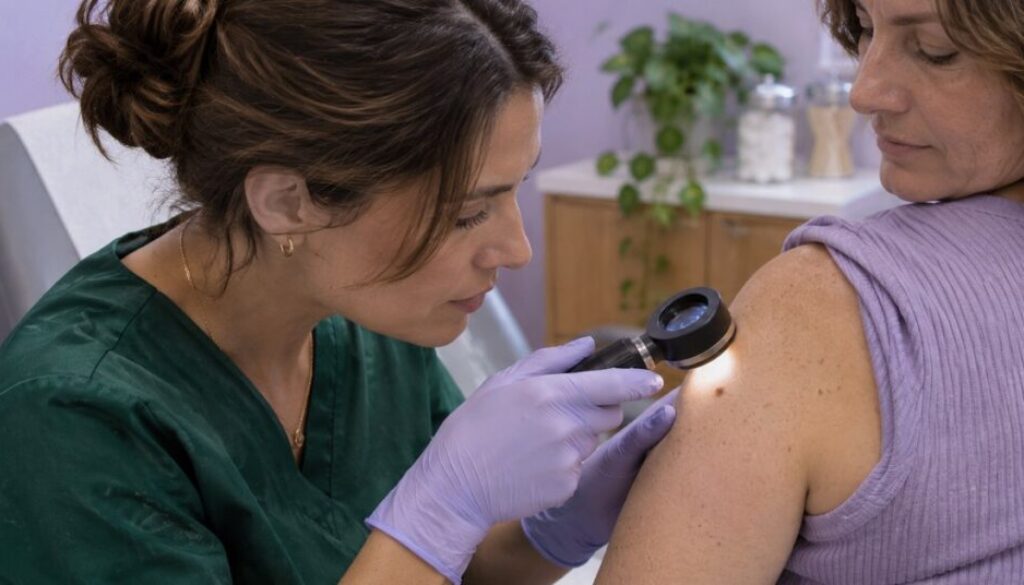
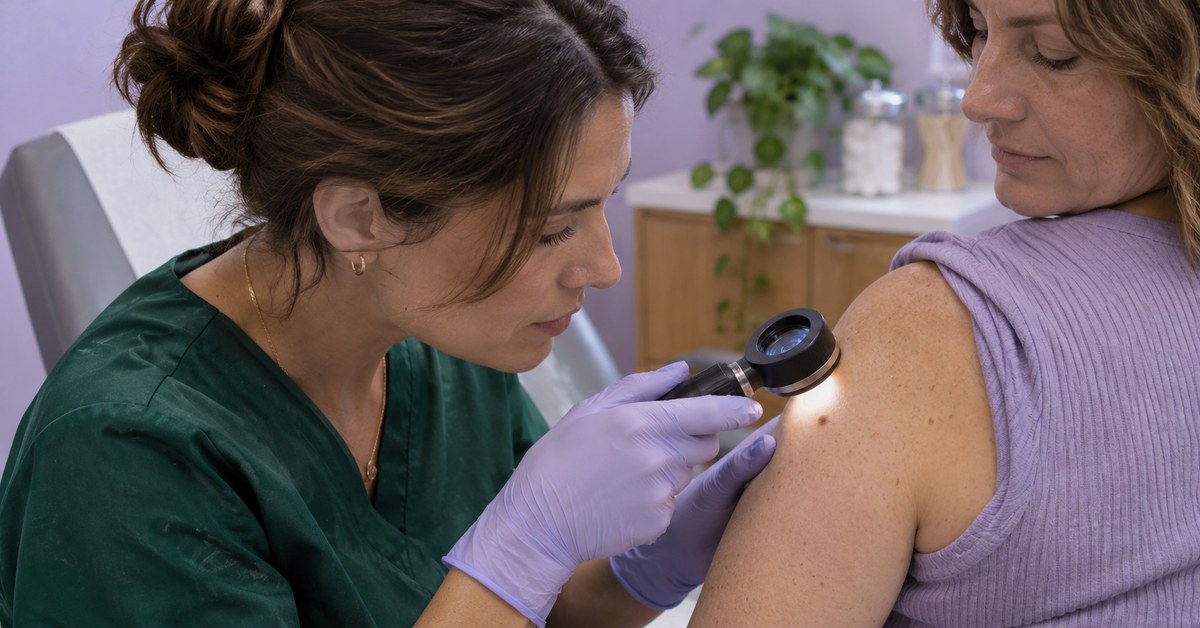
A dermatologist may use a handheld viewing instrument and may recommend monitoring or taking a sample depending on what they see. Ask what change should prompt another visit and whether you need a follow-up. Avoid trying to remove or treat a changing mole yourself.
What if the spot is somewhere you can’t see?
If the mole is on your back or scalp, ask someone you trust to help you locate it, or describe the place as well as you can when booking. An existing photo can help with timing, but don’t delay making contact while you look for one. Say clearly if the change is new or the spot has begun bleeding.
If your clinician gives monitoring instructions, ask them to explain what to record and when to return.
Bring the details that could change the next step
Start with the location and what changed since you first noticed the mole. Then mention any previous photo or history of skin cancer, and add a short note about bleeding, itching or a spot that looks different from others. If one detail is uncertain, say what you remember rather than guessing. Start with the part that worries you most if it changes the reason for the visit.
Think about the part of the day where the concern has the biggest effect. It might be early morning, the journey to work, a regular meal, time at school or getting ready for sleep. Describe that moment in ordinary words and say what has changed. That detail helps make any advice more practical.
If you’re arranging the appointment for someone else, give them room to say what they want help with. You can add details they may have missed or make notes if they ask. A good account distinguishes what they feel from what you’ve observed, particularly when their experience differs from what you expected.
Use the visit to agree on a next step
- Does this spot need further assessment now?
- If you recommend monitoring, what should I look for?
- Should I have other spots checked at the same visit?
If you don’t understand why one next step is recommended over another, ask. An explanation can make it easier to decide how the plan fits your needs. If the answer depends on an examination or report, clarify what the team will look for and how they will explain it to you.
Agree on what should happen after the visit. A next step might be monitoring, a further appointment or another professional’s assessment. Ask which contact route to use for a new concern and whether the clinic wants you to book follow-up now or wait for more information.
Keep a note of what you learn at the visit and which question remains unanswered. That will be useful if you speak with a different member of the team next time. If you need to contact the clinic sooner, you can explain which part of the plan is unclear or what has changed.
If you only have time to write one line, describe the location and what changed since you first noticed the mole. Add any previous photo or history of skin cancer if you can, and keep bleeding, itching or a spot that looks different from others on your list of points to discuss. That keeps the conversation anchored to what you actually noticed. A useful record should help you tell the story rather than take the place of it.
At the end of the appointment, repeat the next step in your own words. Check who will do it, when it should happen and what to do if you can’t follow the original plan. Keeping those three details together can help you avoid an unnecessary delay or a second call to clarify what you agreed.
For a consultation, explore Lifeline’s Dermatology service. Related reading: Atopic Eczema vs Contact Dermatitis: What to Tell Your Doctor.
Source: aad.org patient guidance.