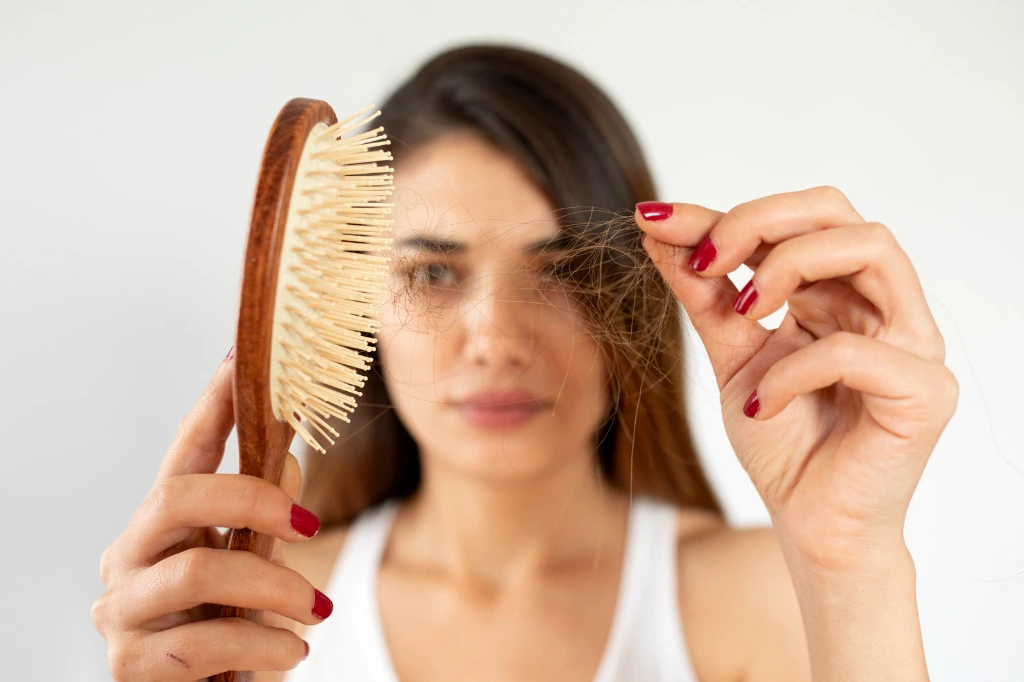
Hair thinning can be frustrating, especially when your hair care routine does not seem to make a difference. Although shampoos, conditioners, and styling products can affect hair health the underlying causes often involve hormones, genetics, nutritional deficiencies, stress, or medical conditions. At Lifeline, understanding these contributing factors can help patients recognise when professional medical advice may be beneficial. If you are experiencing persistent shedding or noticeable changes in hair density, exploring hair loss treatment in Dubai may help identify the underlying cause and connect you with relevant treatment choices.
1. Hormonal Changes and Hair Thinning
Hair thinning is often linked to hormonal changes particularly in women. Changes in oestrogen levels during pregnancy after childbirth and around menopause can affect the natural hair growth cycle. Some people have short-term shedding others experience thinning over time.
Polycystic ovary syndrome (PCOS) and other conditions may also cause hair loss. Elevated androgen levels may thin scalp hair, especially around the crown and hairline.
Thyroid disorders can also affect hair growth. Both an underactive and an overactive thyroid may lead to increased shedding or changes in hair texture. Identifying and treating the underlying hormonal condition is often an important part of managing hair loss.
2. Nutritional Deficiencies
Healthy hair growth depends on adequate nutrition. When the body doesn’t get enough essential nutrients hair follicles may struggle to maintain their normal growth cycle.
Iron deficiency is one possible contributor, especially among women with heavy menstrual periods or inadequate iron intake. Low levels of certain nutrients, including zinc, protein, and vitamin B12 may also affect hair health.
Restrictive diets, rapid weight loss and inadequate protein consumption can contribute to increased shedding. However, taking supplements without identifying a deficiency may not improve hair growth and can sometimes cause harm.
Any healthcare professional can suggest suitable blood tests based on your symptoms, medical history and diet habits. Correcting a confirmed deficiency can support healthier hair growth over time.
3. Stress and Emotional Well-Being
Physical and emotional stress can influence the hair growth cycle. Significant life changes, illness, surgery, or prolonged emotional pressure may trigger a condition called telogen effluvium.
With this condition, more hair follicles than usual enter the resting phase, resulting in noticeable shedding several weeks or months after the triggering event. Hair may fall out while brushing, washing, or styling.
The good news is that stress-related hair shedding is often temporary. As the underlying trigger resolves normal hair growth may gradually return. However persistent stress or repeated episodes can make recovery more complicated.
Maintaining a balanced diet, getting sufficient sleep, exercising regularly and seeking support for ongoing stress may help overall well-being. Still, persistent or severe hair loss should be evaluated to rule out other causes.
4. Causes of Hair Loss in Women
Hair loss causes in women are important because similar symptoms can be caused by different conditions.
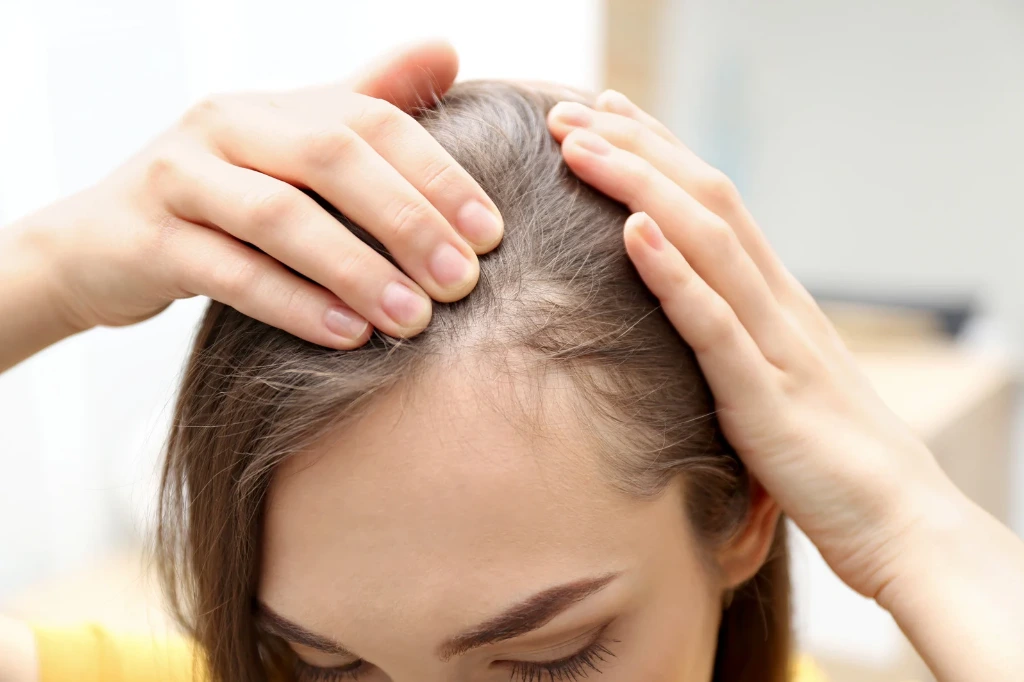
Female-pattern hair loss is a common cause of gradual thinning. It is usually seen as a widening section or an area of thinning hair around t e crown. Genetics and hormonal sensitivity may contribute to this condition.
Other possible causes include:
- Hormonal changes after pregnancy or during menopause.
- Iron deficiency and other nutritional deficiencies.
- Thyroid disorders and certain autoimmune conditions.
- Physical or emotional stress.
- Tight hairstyles that repeatedly pull on the hair.
- Certain medications and underlying medical conditions.
Women may experience more than one contributing factor at the same time. For example, genetic hair thinning may become more noticeable following an illness or nutritional deficiency.
If you notice sudden shedding, bald patches, scalp discomfort or progressive thinning, see a doctor for a medical evaluation and advice on the next steps.
5. Genetics and Ageing
Hair density and genetics play a huge role in the growth patterns. Both men and women suffer from hereditary hair loss although the pattern may differ.
In women, thinning often develops gradually across the top of the scalp. In men, the hairline may recede, or thinning may become more prominent at the crown.
As people age, hair follicles may produce finer strands, and the overall growth cycle can change. Hair may also become more fragile, making it more prone to breakage.
Although hereditary hair loss cannot always be prevented early assessment may help identify suitable management options. Depending on the diagnosis, treatment may help slow further thinning or support regrowth.
6. Medical Conditions and Medications
Hair thinning can sometimes indicate an underlying health issue rather than a problem with hair care products.
Autoimmune conditions, scalp infections, thyroid disorders and certain chronic illnesses may affect hair growth. Some medications can also contribute to shedding, including particular treatments for cancer and other medical conditions.
Never stop taking a prescribed medication because you think it is causing hair loss. Instead discuss your concerns with your healthcare professional who can assess the possible connection and consider appropriate alternatives if necessary.
A dermatologist may examine your scalp review your medical history, and recommend blood tests or other investigations when appropriate.
7. Lifestyle Habits and Hair Damage
Although internal health factors are important, everyday habits can still contribute to thinning and breakage.
Frequent heat styling, chemical treatments, bleaching and tight hairstyles may weaken hair shafts or repeatedly tension the follicles. Over time, these practices can can cause Alopecia from breakage or traction. associated with repeated pulling.
8. When Should You Seek Professional Help?
If you are searching for a dermatologist in Dubai for hair loss, a consultation can help determine whether your symptoms relate to hormonal changes, nutritional deficiencies, genetic factors, scalp conditions, or another medical issue.
People searching for a dermatologist in Dubai near you should consider the specialist’s qualifications, experience in hair and scalp conditions, and approach to diagnosis.
Depending on your symptoms, assessment may include a scalp examination, medical history review, blood tests, or additional investigations. Treatment recommendations will depend on the cause and may include addressing nutritional deficiencies, managing underlying conditions, or using appropriate medical treatments.
Avoid choosing products based solely on advertising claims. Not every serum, shampoo, or supplement is effective for every type of hair loss.
9. Finding the Right Hair Loss Treatment in Dubai
The most appropriate treatment depends on why your hair is thinning. Some people benefit from correcting nutritional deficiencies, while others may require treatment for hormonal disorders, scalp conditions or hereditary hair loss.
If you’re looking for hair loss treatmentnear you start by seeing a qualified health professional who can assess your symptoms and recommend evidence-based options. Depending on your condition, a dermatologist may discuss treatments such as topical minoxidil or other suitable therapies. These treatments have specific indications, potential side effects and limitations so professional guidance matters.
Be patient with the treatment; it may take some months to see visible differences in hair growth. You will be seen regularly to check how you are doing and determine whether any changes are needed to your treatment plan.
Conclusion
Hair thinning is not always caused by unsuitable shampoos or styling products. Hormonal changes, genetics, nutritional deficiencies, stress, medical conditions and damaging hairstyles can all contribute to reduced hair density.
Recognising the early signs and understanding the possible triggers can help you make better decisions about your hair health. Rather than relying only on cosmetic products, consider a professional evaluation to get to the bottom of it and explore appropriate treatment options.
With the right diagnosis, realistic expectations, and consistent care, many people can manage hair loss more effectively and support healthier hair growth.